Web design · Charleston, SC
Websites built to bring in business, and looked after for you.
A beautiful site is only the start. We design and build websites that get found, earn trust and turn visitors into calls, then we host it, care for it and keep improving it with The CORE Method.
Free · Takes a few minutes · No sales pitch
Every CORE CONNECT website
Built for search from day one
Clean structure, fast pages and schema, so Google and AI assistants can read it.
Designed to bring in calls and bookings
Clear offers, easy contact and tracking on every call and form.
Hosted and cared for
Fast managed hosting, updates, backups and security, handled by us.
Changes made for you
Need a photo or phone number changed? Send it over.
Found on Google, the map and AI
A real person runs your account
A plain-English report every month
Hosting and care included
Why it's different
A website that keeps working after launch day.
Most websites are finished the day they go live. Ours are just getting started.
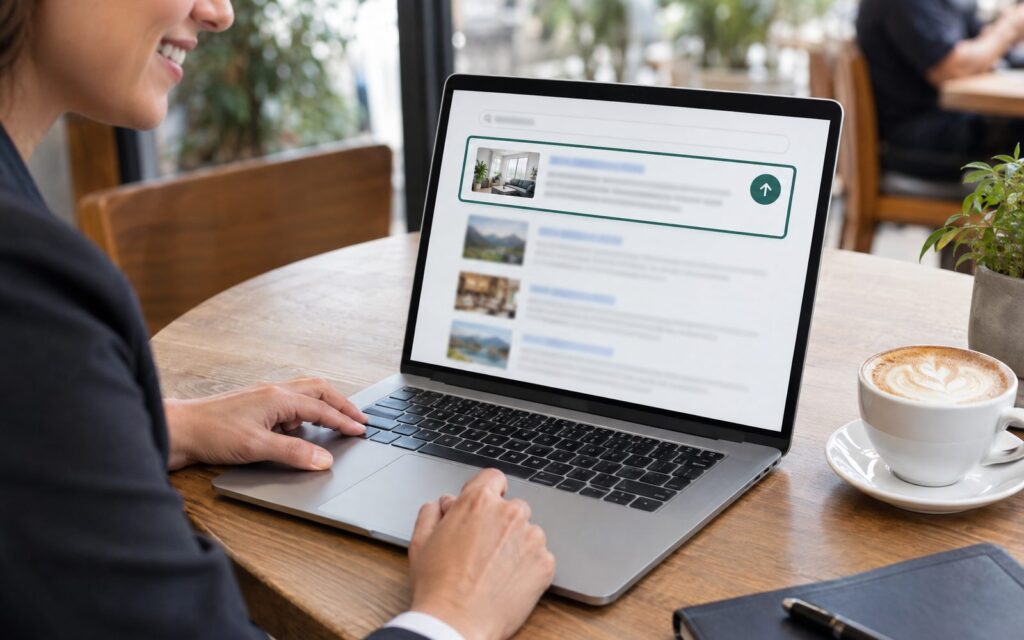
Found
Built with SEO in its bones: page structure, speed, schema and content that Google and AI assistants understand.
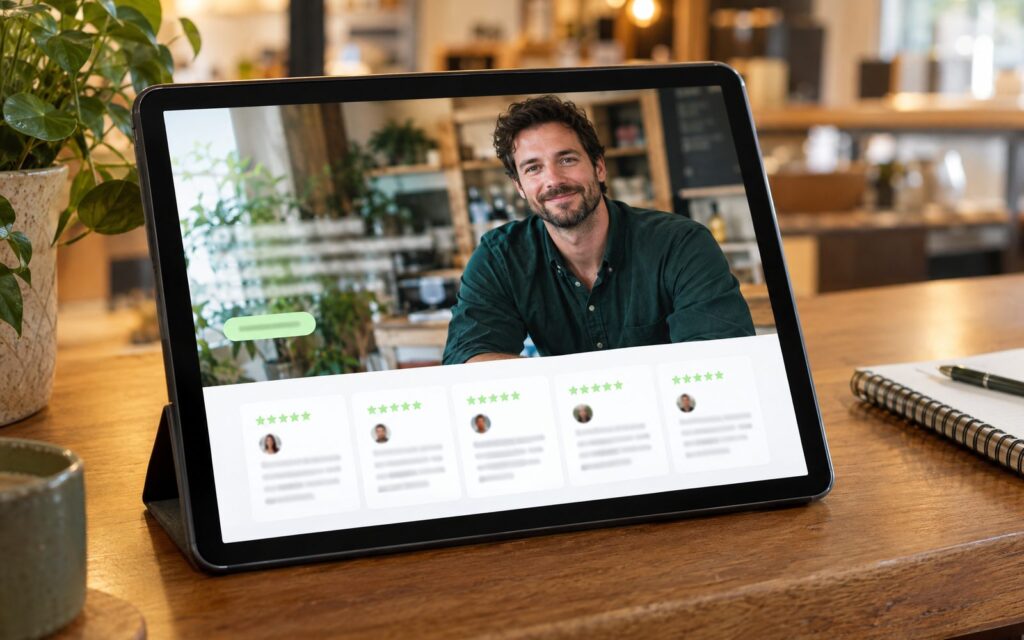
Trusted
Your story, your reviews and your results front and center, so visitors feel confident before they call.
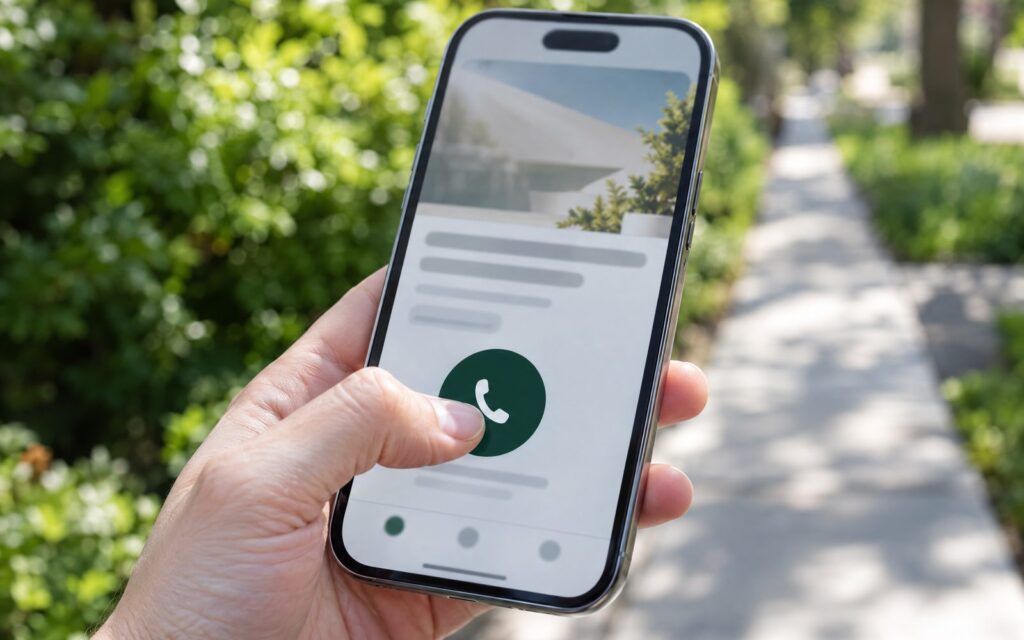
Chosen
Clear next steps on every page, with every call and form tracked so you can see what the site brings in.
Web design in Charleston, SC
What goes into a website that brings in calls.
Whether it's a new build or a website redesign, every page we design follows how customers decide: can I trust them, do they do what I need, and how do I reach them? Here's how that looks on the page.
Example homepage
- 1A clear headline and offerVisitors know in seconds what you do and where you do it.
- 2Click-to-call on every pageOne tap to call from any phone, tracked so you can see it working.
- 3Trust up frontReviews, credentials and partners where people look first.
- 4A page for every serviceEach service gets its own page, so it can rank on its own.
- 5ProofResults, photos and stories that answer "can they do it for me?"
- 6The areas you serveContent for the towns you want to win, from Mount Pleasant to Summerville.
- 7Answers to common questionsFAQ blocks that help visitors and show up in Google and AI answers.
- 8Forms that get usedShort, phone-friendly forms, with every submission tracked.
Built in, not bolted on
Everything a growing business needs, built into every site.
Our custom WordPress websites launch with the pieces most sites add later: speed, SEO, tracking and care. It's why a CORE CONNECT site keeps working long after launch day.
Design
Custom to your brandBuilt for phones firstReadable, accessible typeYour photos and story
Speed
Fast managed hostingGlobal CDNImage optimizationServer-level caching
SEO foundation
Clean page structureSchema markupXML sitemapMetadata on every pageRedirects from your old site
Conversion
Click-to-callClear calls to actionShort formsBooking links
Tracking
Google AnalyticsSearch ConsoleCall and form trackingVisitor behavior insights
Ownership and care
Built on WordPressYour domain, your contentStaging site for safe changesBackups and security
Our process
From first conversation to a site that grows.
1
Discover
We start with a free review of your current site and learn your business, your customers and your goals.
2
Design
We plan the pages, the words and the look around how your customers decide, with your brand at the center.
3
Build and launch
We build on WordPress, test everything on phones and computers, set up tracking and launch.
4
Grow
After launch, The CORE Method keeps improving your site every week, and you see the results every month.
Hosting and care
You'll never deal with a hosting company again.
Every plan includes fast managed hosting and care. We keep your site updated, backed up, secure and online, and we fix it if something breaks.
Fast and secure
Managed WordPress hosting with SSL, a CDN and caching.
Always up to date
Updates applied weekly with compatibility checks.
Backed up
Off-site backups we can restore any time.
Watched
Uptime and security monitoring, around the clock.
Speed and performance
Built to pass Google's page experience checks.
Google measures how fast your pages load, how quickly they respond and whether they jump around while loading. We build and test every site against Google's own "good" marks, then keep checking after launch as part of The CORE Method.
Google's published "good" thresholds for Core Web Vitals.
Reviews
What owners say after launch.
★★★★★
“The site went live and people were on it straight away. That is not what I expected. They had everything measured from the first day.”
Shelly H., law firm
★★★★★
“The website and the shop are two different animals. Having one team who handles both is the reason it works, and I call one number either way.”
Maria R., retail
Concierge service
You're not doing this on your own.
You don't have to learn SEO or figure out how to show up online. A real team takes care of it every week, and your brand gets stronger along the way, without you changing how you run your business.
A named team on your account
The same people know your business, your voice and your goals.
You approve, we do
Posts and content are planned for you and go out only after you say yes.
Plain-English reporting
On the 10th of every month: what we did, what it brought in, what's next.
Call us
A real person answers. No ticket queue.
FAQ
Website questions owners ask us.
How much does a website cost?
Every build is quoted to the project, because a five-page site and a site with booking, e-commerce or dozens of service pages are different jobs. Start with a free review and we’ll recommend what you actually need.
How long does a new website take?
It depends on the size of the site and how quickly content comes together. We’ll give you a clear timeline before we start.
Do I own my website?
Yes. Your site, your content and your domain belong to you.
What platform do you build on?
WordPress, the most widely used website platform in the world, so your site is never locked into a proprietary system.
Can you redesign my current site instead of starting over?
Often, yes. Your free review will show whether a redesign or a fresh build makes more sense.
Do you only build websites in Charleston?
No. We're based in Mount Pleasant and design websites for businesses across the Charleston area, South Carolina and beyond. Most of our work happens online, with a real person you can call.
What happens to my rankings during a website redesign?
We map every page on your current site and redirect each old address to its new home, carry over the titles and content that already rank, and check Search Console after launch. Your existing visibility moves with you.
Free website review
See what's holding your website back.
Enter your website and we'll show you what we'd fix first.